- ISO 9001 Certified
- 60+ Countries
- Made in India
- Warranty Backed
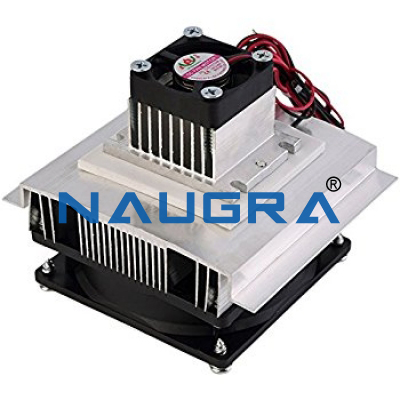
Cooling Using The Peltier Effect
Description & Technical Specification
Cooling Using The Peltier Effect Unit
Specification of Cooling Using The Peltier Effect Unit
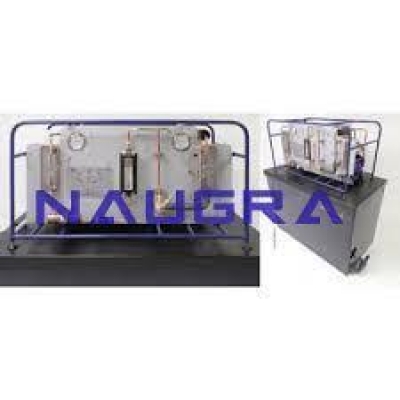
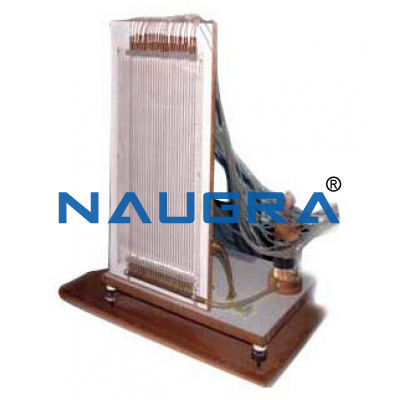
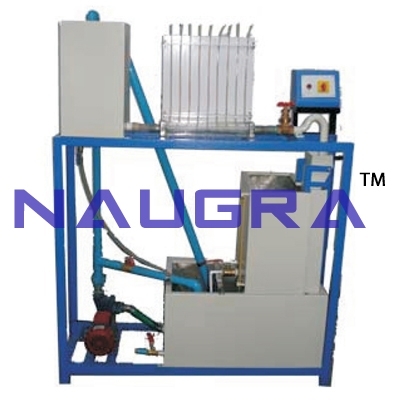
1. Functional model of a Peltier refrigeration system
2. Experimental unit with clear design of all components at the front
3. Water-cooled Peltier element
4. Shared water circuit for heating and cooling with tank, pump and flow meters
5. Electrical power freely adjustable via potentiometer
6. Digital displays for temperature, current and voltage
7. Flow meter measurement of the water flows via rotameters
Technical Data
Peltier Element
1. Max. Refrigeration capacity: 191,4w
2. Max. Current: 22,6a
3. Max. Voltage: 16,9v
4. Max. Temperature difference: 77,8k
5. Hot side temperature: 50°C
Pump
1. Power consumption: 120W
2. Max. Flow rate: 1000L/h
3. Max. head: 30m
Water tank
1. Content: 7L
Measuring ranges
1. Current: 0...20a
2. Voltage: 0...200v
3. Temperature: 2x -30...80°c, 4x 0...100°c
4. Flow rate: 1x 2...27L/h, 1x 10...105L/h
Trusted by Ministries, Institutions & Industrial Buyers
For over four decades, Naugra has manufactured and exported workshop tools, laboratory equipment and turnkey training solutions to engineering colleges, TVET institutions, government tenders and industrial buyers across 60+ countries.
Manufacturer-Direct Pricing
Supplied directly from our manufacturing facility — no intermediaries, competitive export pricing and responsive technical support.
ISO 9001 Quality
ISO 9001:2015 quality management, CE compliance and calibration certificates accompany every shipment for procurement and audit compliance.
Tender & Export Experience
Registered vendor for World Bank, ADB, AfDB, UN and Exim Bank-funded tenders. Full bid-preparation, EMD and performance-guarantee support.
Installation & Training
On-site installation, commissioning, operator training and 12-month warranty cover included for institutional orders.
Interested in Cooling Using The Peltier Effect?
Send us your specifications and quantity — receive a detailed quotation within 24–48 hours.
Request a Quote Call +91-98966-00003Related Training & Tender Products
Related teaching lab products, scientific instruments and educational equipments similar to Cooling Using The Peltier Effect — also available for tender supply and institutional orders.